
Home/ Blog/ Seasonal HVAC checklist for Long Island homes
Seasonal HVAC checklist for Long Island homes
Check your filter regularly, keep outdoor units clear, schedule a cooling check in spring and a heating check in fall and test your carbon monoxide and smoke alarms. The list below splits each season into quick homeowner tasks and the items a technician should handle.
All year
- Check the air filter regularly and replace it when dirty. ENERGY STAR recommends checking monthly and changing at least every three months.
- Keep supply and return grilles clear of furniture and rugs.
- Test carbon monoxide and smoke alarms. New York State requires carbon monoxide alarms in homes with fuel-burning appliances or an attached garage.
- Keep the area around the furnace or boiler clear of storage.
Spring: get cooling ready
Homeowner:
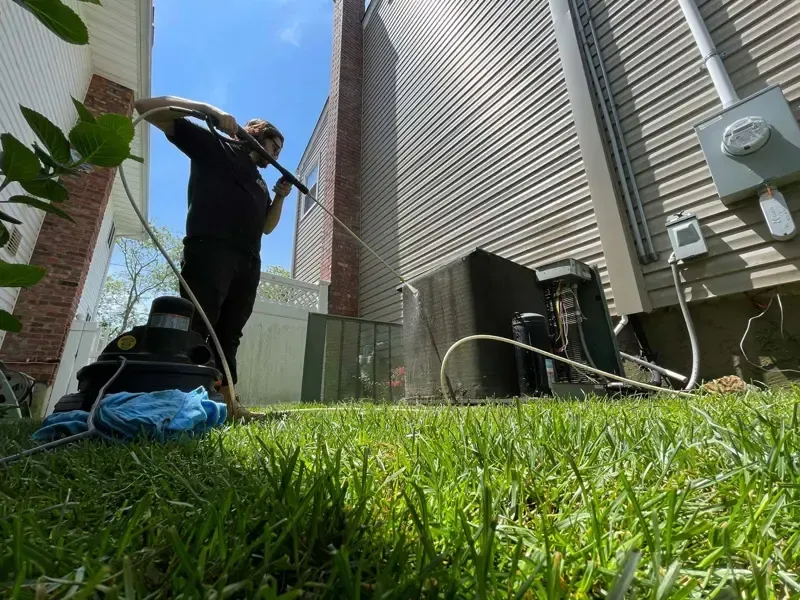
- Clear leaves, branches and debris from around the outdoor unit.
- Trim plants back so air can move freely around it.
- Pour a cup of water into the condensate drain line access if you know where it is, to confirm it drains.
- Test cooling on the first warm day rather than the first hot one.
Technician: coil cleaning, refrigerant performance check, electrical connections, capacitor and contactor tests, condensate drain and safety switch checks. Homes near the water benefit from extra attention to the outdoor coil; see what salt air does to coastal AC units.
Summer: keep it running
- Keep the outdoor unit clear of grass clippings when mowing.
- Watch for ice on the refrigerant lines or indoor coil, which points to an airflow or refrigerant problem. Turn the system off and call.
- Notice water around the indoor unit, which usually means a clogged drain.
- Close blinds on sunny sides of the house to ease the load.
If the system stops cooling, see our urgent help page for what to check first and our AC repair page.
Fall: get heating ready
Homeowner:
- Turn the heat on for a test run before the first cold night.
- For oil heat, check the tank level and schedule delivery.
- Bleed air from radiators if they are cold at the top.
- Replace the filter on forced air systems.
Technician: burner cleaning and combustion check on oil and gas equipment, igniter and flame sensor, circulators and zone valves on boilers, venting and safety controls. Read getting your heat ready for winter and signs your boiler needs service.
Winter: protect the system
- Keep snow and ice off the outdoor unit of a heat pump and away from high-efficiency furnace vent pipes.
- Keep heat on in unused rooms enough to protect pipes.
- Do not press an oil burner reset button more than once. Repeated resets can flood the burner.
- If you smell gas, leave the house and call the gas utility from outside.
Mini-splits
Clean the washable filters in each indoor head every few weeks during heavy use and have the heads professionally cleaned periodically. Dirty heads can drip, smell musty and lose capacity. See ductless mini-splits.
Keep a simple service record
Write down the date of each filter change, each service visit and anything the technician found. Note the model and serial numbers from each unit too. A short record helps a technician spot patterns, makes warranty questions easier and is useful when you sell the house. A photo of each data plate on your phone works just as well as a notebook.
Signs to call between seasons
- New noises such as grinding, squealing or banging.
- Water where it should not be, around the furnace, air handler or boiler.
- Rooms that suddenly heat or cool differently than before.
- Energy bills that jump without a change in how you use the system.
Let a contract handle the reminders
A maintenance contract includes seasonal inspections, system tune-ups, priority service scheduling and performance optimization, so the technician items above happen on schedule.
We work in East Meadow, Wantagh, Bethpage, Lynbrook, Rockville Centre and Valley Stream. Request a seasonal visit.
Frequently asked questions
How often should I change my HVAC filter?
ENERGY STAR recommends checking the filter every month and changing it at least every three months, more often with pets or heavy use.
When should I schedule heating and cooling maintenance?
Schedule a cooling check in spring before the heat and a heating check in fall before the cold, so problems are fixed before peak season.
What should I do if my outdoor unit is covered in ice?
In cooling mode, ice means an airflow or refrigerant problem: turn the system off and call. A heat pump in winter defrosts itself periodically, but a unit encased in ice that does not clear needs service.
Sources
- ENERGY STAR, HVAC maintenance checklist
- NYS Division of Homeland Security and Emergency Services, Amanda's Law carbon monoxide alarm summary
Related
More from the blog
Find us
ADM Mechanical, Farmingdale
640 Fulton St #9A
Farmingdale, NY 11735
Read Our Google Reviews Leave a Review
Nassau/Suffolk: 516-610-0233 NYC: 718-570-7587Get a technician on it.
Request service online or call the office. We confirm every request by phone.